


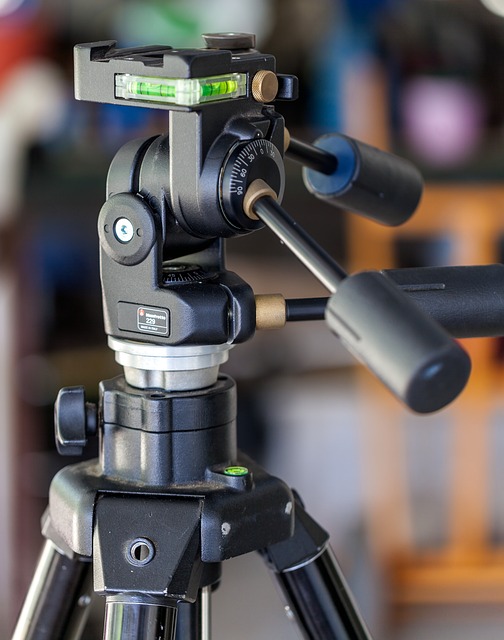
A camera tripod is an essential tool for photographers and videographers, providing stability, precision, and versatility in capturing images and footage. By securely holding the camera in place, tripods enable longer exposures, reduce camera shake, and facilitate meticulous composition. This comprehensive guide delves into the intricacies of camera tripods, exploring their components, types, materials, head mechanisms, and considerations for selecting the ideal tripod to suit various photographic needs.
1. Components of a Camera Tripod
Understanding the fundamental components of a tripod is crucial for making an informed choice:
- Legs: Typically consisting of three sections, tripod legs can be adjusted to various lengths to accommodate different shooting heights and terrains.
- Leg Locks: Mechanisms that secure the legs at desired lengths. Common types include flip locks and twist locks, each offering distinct advantages in terms of speed and stability.
- Center Column: A central shaft that allows for additional height adjustment. Some center columns are reversible or feature a horizontal orientation for macro photography.
- Head: The component that attaches the camera to the tripod, allowing for precise positioning and movement. Various head types cater to different shooting requirements.
2. Materials and Build Quality
The material of a tripod significantly influences its weight, durability, and cost:
- Aluminum: Known for its affordability and sturdiness, aluminum tripods are heavier but offer excellent stability, making them suitable for studio work.
- Carbon Fiber: Lightweight yet robust, carbon fiber tripods are ideal for travel and outdoor photography. They effectively dampen vibrations but come at a higher price point.
- Basalt Fiber: An alternative to carbon fiber, basalt fiber tripods provide a balance between weight and cost, offering decent stability and portability.
3. Types of Tripod Heads
The tripod head determines the range and smoothness of camera movements:
- Ball Heads: Featuring a ball-and-socket design, these heads allow for quick and versatile adjustments in all directions. They are favored for their ease of use and compactness but may lack precise control for certain applications.
- Pan/Tilt Heads: Offering separate controls for horizontal (pan) and vertical (tilt) movements, these heads provide precise framing, making them suitable for architectural and landscape photography.
- Gimbal Heads: Designed to support heavy telephoto lenses, gimbal heads enable smooth tracking of moving subjects, essential for wildlife and sports photography.
4. Selecting the Right Tripod
Choosing the appropriate tripod involves assessing various factors:
- Load Capacity: Ensure the tripod can support the combined weight of your camera and heaviest lens, with some margin for additional accessories.
- Height Requirements: Consider both the maximum and minimum operating heights to accommodate different shooting scenarios, from eye-level portraits to low-angle macro shots.
- Portability: For travel and on-the-go photography, opt for a lightweight and compact tripod that doesn’t compromise on stability.
- Stability: Evaluate the tripod’s ability to maintain steadiness, especially in challenging conditions like wind or uneven terrain.
- Ease of Use: Quick setup and adjustment mechanisms enhance efficiency, particularly in dynamic shooting environments.
5. Top Camera Tripods of 2025
Advancements in materials and design have led to the development of exceptional tripods catering to diverse photographic needs. Here are some of the top-rated tripods in 2025:
- Peak Design Carbon Fiber Travel Tripod: Renowned for its portability and stability, this tripod features a compact design without compromising performance. Its innovative architecture allows for quick deployment, making it ideal for travel photographers.
- Vanguard VEO 5 264CB1605: This budget-friendly option offers a balance between cost and functionality, providing reliable support for various shooting scenarios. Its sturdy construction and ease of use make it a favorite among hobbyists.
- Gitzo GT5543LS Series 5 Systematic Long: Designed for nature and wildlife photography, this tripod boasts exceptional load capacity and stability, accommodating heavy camera setups with ease. Its durable build ensures longevity in demanding environments.
6. Innovations in Tripod Technology
The tripod industry continues to evolve, introducing features that enhance user experience:
- Motorized Tripods: The Edelkrone Tripod X is a fully motorized tripod that can adjust its height and automatically level on uneven surfaces at the push of a button. This innovation addresses the inefficiencies of manually adjusting traditional tripods, offering speed and comfort, especially with heavier setups.
- Advanced Gimbals: The Insta360 Flow 2 Pro gimbal features Deep Track 4.0 AI tracking technology, capable of keeping multiple subjects perfectly framed. Its robust retractable tripod legs enhance hands-free operation, making it a versatile tool for dynamic shooting scenarios.
7. Maintenance and Care
Proper maintenance ensures the longevity and optimal performance of your tripod:
Lubrication: Apply appropriate lubricants to moving parts to ensure smooth operation, avoiding substances that attract dust or grit.
Regular Cleaning: Remove dirt, sand, and moisture after each use, especially when shooting in harsh environments.
Inspecting Locks and Joints: Periodically check and tighten leg locks, screws, and joints to maintain stability and prevent unexpected collapses.