

Event Photography: Capturing Moments that Matter
Event photography is a specialized genre dedicated to documenting significant occasions, ranging from corporate gatherings and weddings to concerts and festivals. It involves capturing the essence, energy, and key moments of events, providing a visual narrative that allows viewers to relive the experience. This comprehensive exploration delves into the definition, purpose, techniques, skills required, and the evolving landscape of event photography, highlighting its significance in preserving memories and telling compelling stories.
Defining Event Photography

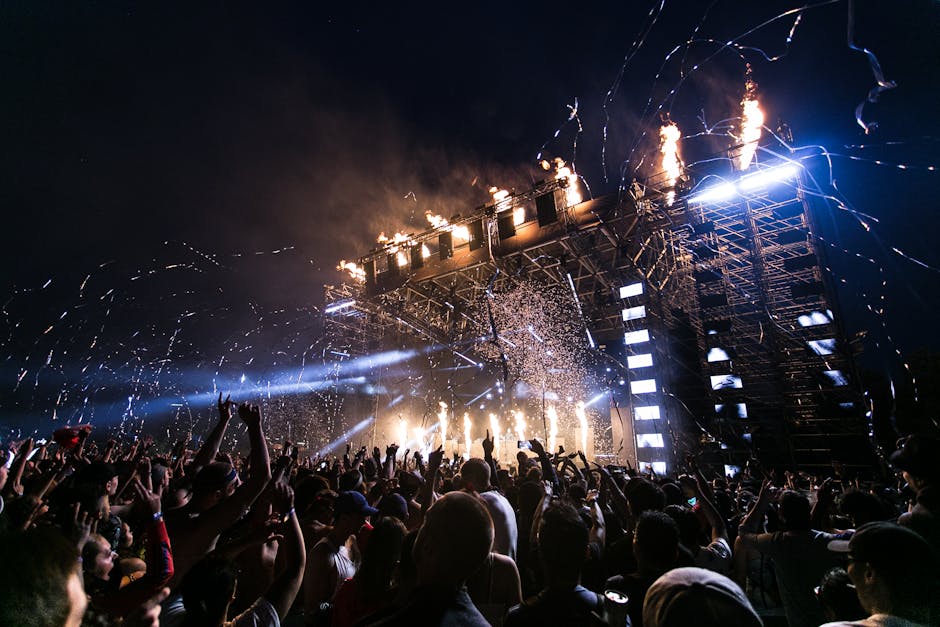
Event photography focuses on capturing the atmosphere and key moments of various events, creating a visual story that reflects the event’s purpose and mood. Unlike studio photography, which is controlled and posed, event photography is dynamic and unpredictable, requiring photographers to adapt to changing conditions and spontaneous moments. The primary goal is to document the event in a way that conveys its significance and emotion, allowing those who attended to relive the experience and those who didn’t to understand its impact.
Purpose and Importance of Event Photography
- Preserving Memories Event photography serves as a means to preserve memories of significant occasions. Whether it’s a wedding, a corporate event, or a cultural festival, photographs capture moments that participants can look back on, fostering a sense of nostalgia and continuity.
- Storytelling Through thoughtful composition and timing, event photographers tell the story of an event, capturing the sequence of activities, the interactions among attendees, and the overall atmosphere. This visual storytelling adds depth to the event’s narrative, making it more engaging and relatable.
- Marketing and Promotion High-quality photographs from events are valuable assets for marketing and promotion. Organizations and individuals use these images to showcase successful events, attract future attendees, and build their brand identity.
- Documentation Event photography provides a historical record, documenting cultural, social, and corporate events for future reference. These visual records can be invaluable for archival purposes, research, and reflecting on societal trends.
Types of Events Covered in Event Photography
- Corporate Events These include conferences, seminars, product launches, and corporate parties. Photographs from these events are often used for internal communications, marketing materials, and public relations efforts.
- Social Events Weddings, anniversaries, birthdays, and family reunions fall under this category. The focus is on capturing personal milestones and the emotions associated with them.
- Entertainment Events Concerts, theater performances, festivals, and sports events are included here. Photographers aim to capture the energy of the performance and the audience’s reactions.
- Community and Cultural Events Parades, fairs, religious ceremonies, and cultural festivals are documented to showcase community participation and cultural heritage.
Essential Skills and Techniques in Event Photography
- Technical Proficiency A deep understanding of camera settings, lighting, and composition is crucial. Event photographers must be adept at adjusting to varying lighting conditions and capturing clear images without disrupting the event.
- Anticipation and Timing The ability to anticipate moments before they happen allows photographers to capture candid shots that convey genuine emotions and interactions.
- Interpersonal Skills Building rapport with attendees helps in capturing natural and relaxed photographs. Good communication skills also assist in organizing group shots efficiently.
- Adaptability Events are unpredictable, and photographers must adapt to changing environments, schedules, and unforeseen challenges while maintaining professionalism.
- Attention to Detail Capturing the small details, such as décor, expressions, and candid interactions, adds depth to the event’s visual narrative.
Equipment and Tools
- Camera Bodies Professional-grade DSLR or mirrorless cameras with high ISO capabilities are preferred for their performance in various lighting conditions.
- Lenses
- Wide-Angle Lenses: Ideal for capturing large groups and venue layouts.
- Standard Lenses (50mm): Versatile for portraits and candid shots.
- Telephoto Lenses: Useful for capturing subjects from a distance without being intrusive.
- Lighting Equipment External flashes, diffusers, and continuous lighting setups help manage challenging lighting situations, especially in low-light venues.
- Accessories Items like tripods, memory cards, batteries, and camera bags are essential for a seamless shooting experience.
Post-Processing and Delivery
- Editing Post-processing involves selecting the best images and making necessary adjustments to exposure, color balance, and cropping. The goal is to enhance the images while maintaining their authenticity.
- Delivery Photographers provide clients with high-resolution digital files, and sometimes prints or albums, depending on the agreement. Timely delivery is crucial for client satisfaction.
Ethical Considerations
- Respect for Privacy Photographers must be mindful of attendees’ privacy, especially in sensitive situations, and obtain necessary permissions when required.
- Non-Disruptive Presence Maintaining a low profile ensures that the photographer does not interfere with the event’s proceedings or the attendees’ experience.
- Accurate Representation Editing should not alter the reality of the event. Photographs should truthfully represent the occasion without misleading alterations.
Trends and Innovations in Event Photography
- Drone Photography The use of drones has introduced aerial perspectives to event photography, especially in outdoor events, providing unique and expansive views.
- Instant Sharing With advancements in technology, photographers can now provide same-day edits, allowing clients to share high-quality images during or immediately after the event.
- Cinematic Videography Combining photography with cinematic


