

Astrophotography
Astrophotography: Capturing the Cosmos
Astrophotography, the art and science of photographing celestial objects and phenomena, allows us to capture the beauty and mystery of the universe. From the Moon and planets to distant galaxies and nebulae, astrophotography reveals aspects of the cosmos invisible to the naked eye.

History of Astrophotography
The journey of astrophotography began in the 19th century:
- 1839: The first photograph of the Moon was captured using the daguerreotype process.
- Late 1800s: Advancements in photographic technology enabled detailed images of stars and planets, revolutionizing astronomical research.
Techniques in Astrophotography
Astrophotographers employ various techniques to capture celestial wonders:
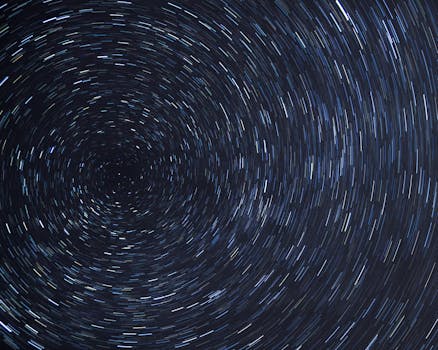
- Long Exposures: Allow cameras to collect light over extended periods, revealing faint objects.
- Image Stacking: Combining multiple exposures reduces noise and enhances image quality.
- Tracking Mounts: Motorized mounts compensate for Earth’s rotation, keeping celestial objects in focus during long exposures.
Essential Equipment
Key tools for astrophotography include:
- Cameras: DSLRs or mirrorless cameras with good low-light performance.
- Lenses: Wide-angle lenses are ideal for capturing expansive nightscapes.
- Telescopes: Provide magnification for detailed images of distant celestial objects.
- Mounts: Equatorial mounts stabilize and track celestial objects, minimizing star trails.
- Accessories: Sturdy tripods, intervalometers, and filters enhance image capture and quality.
Advanced Techniques
For enhanced results:
- Dark Frame Subtraction: Capturing dark frames (images taken with the lens cap on) helps identify and subtract electronic noise from final images.
- Astrophotography Software: Tools like DeepSkyStacker assist in stacking images, reducing noise, and improving clarity.
Notable Astrophotographers
Pioneers and contemporary experts have shaped astrophotography:
- David Malin: Known for early experiments in celestial photography.
- Damian Peach: Renowned for detailed planetary images.
- Rogelio Bernal Andreo: Recognized for capturing deep-sky objects.
Conclusion
Astrophotography bridges art and science, allowing us to document and appreciate the universe’s splendor. With advancements in technology and techniques, both amateur and professional photographers can explore the cosmos, capturing images that inspire and inform.


