Camera Types ::


Photography has evolved significantly since its inception, leading to the development of various camera types, each tailored to specific needs and preferences. Here’s an overview of the primary camera categories:
1. Digital Single-Lens Reflex (DSLR) Cameras
DSLRs combine the mechanics of traditional film cameras with digital imaging sensors. They utilize a mirror mechanism to reflect light from the lens to an optical viewfinder, allowing photographers to see exactly what the lens sees. Features include interchangeable lenses, manual controls, and robust build quality, making them suitable for both amateurs and professionals. However, their bulkiness and weight can be a drawback for some users.
2. Mirrorless Cameras
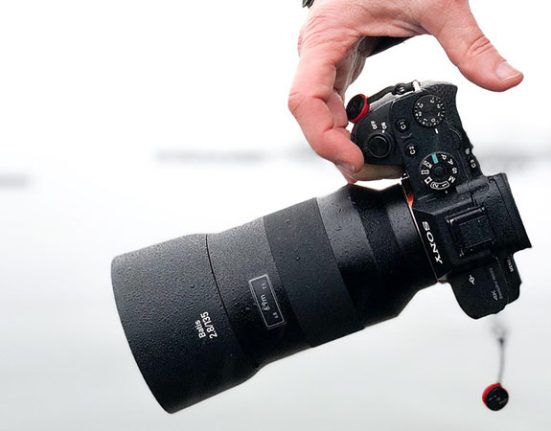
As the name suggests, mirrorless cameras lack the mirror mechanism found in DSLRs. This design allows for a more compact and lightweight body. They rely on electronic viewfinders or LCD screens for image composition. Modern mirrorless cameras offer features like interchangeable lenses, advanced autofocus systems, and high-resolution sensors, rivaling DSLRs in performance. However, they may have shorter battery life due to the continuous use of electronic displays.
3. Compact Digital Cameras (Point-and-Shoot)
These cameras are designed for simplicity and portability. They typically feature fixed lenses and automatic settings, making them ideal for casual photography. While they may lack the advanced features of DSLRs or mirrorless cameras, modern point-and-shoots have improved in image quality and often include features like optical zoom and image stabilization. However, their smaller sensors can limit performance in low-light conditions.
4. Bridge Cameras
Bridge cameras serve as a middle ground between compact cameras and DSLRs. They often resemble DSLRs in design but come with fixed, long-zoom lenses. They offer manual controls and a broader zoom range, making them versatile for various shooting scenarios. However, they typically have smaller sensors than DSLRs, which can affect image quality, especially in low-light situations.
5. Medium Format Cameras
Medium format cameras feature larger sensors than standard full-frame cameras, resulting in exceptional image quality with greater detail and dynamic range. They are predominantly used in professional settings, such as fashion and commercial photography. The trade-offs include higher costs, larger body sizes, and slower operation compared to other camera types.
6. Instant Cameras
Instant cameras provide the unique ability to produce physical prints immediately after capturing an image. They have experienced a resurgence in popularity due to their nostalgic appeal and the tangible nature of instant photos. Brands like Fujifilm and Polaroid offer various models catering to different preferences and budgets.
7. Action Cameras
Designed for capturing immersive footage in extreme conditions, action cameras are compact, rugged, and often waterproof. They are popular among adventurers and sports enthusiasts for recording high-definition videos and photos from unique perspectives. Features typically include wide-angle lenses, image stabilization, and mounting accessories.
8. 360-Degree Cameras
These cameras use multiple lenses to capture a full spherical view, allowing for interactive photos and videos. They are commonly used for virtual reality content, real estate tours, and immersive storytelling. While they offer unique perspectives, editing and viewing 360-degree content require compatible software and platforms.
9. Rangefinder Cameras
Rangefinder cameras, popular in the mid-20th century, utilize a separate viewfinder system for focusing. They are known for their compact size and quiet operation. While less common today, they are still appreciated by some photographers for their classic design and shooting experience.
10. Vintage Digital Cameras (Digicams)
There’s a growing trend among younger generations to use early 2000s digital cameras, often referred to as “digicams.” These cameras offer a distinctive aesthetic with grainy, nostalgic images that contrast with the perfection of modern smartphone photography. This resurgence is driven by a desire for authenticity and the unique imperfections these cameras produce.
11. Smartphone Cameras
Modern smartphones are equipped with advanced camera systems, featuring multiple lenses and computational photography capabilities. They offer convenience and connectivity, allowing users to capture, edit, and share photos instantly. While they may not match the image quality of dedicated cameras with larger sensors, their portability and ease of use make them a popular choice for everyday photography.
Each camera type offers unique features and caters to different photography needs. Understanding these distinctions can help photographers choose the right tool for their creative endeavors.